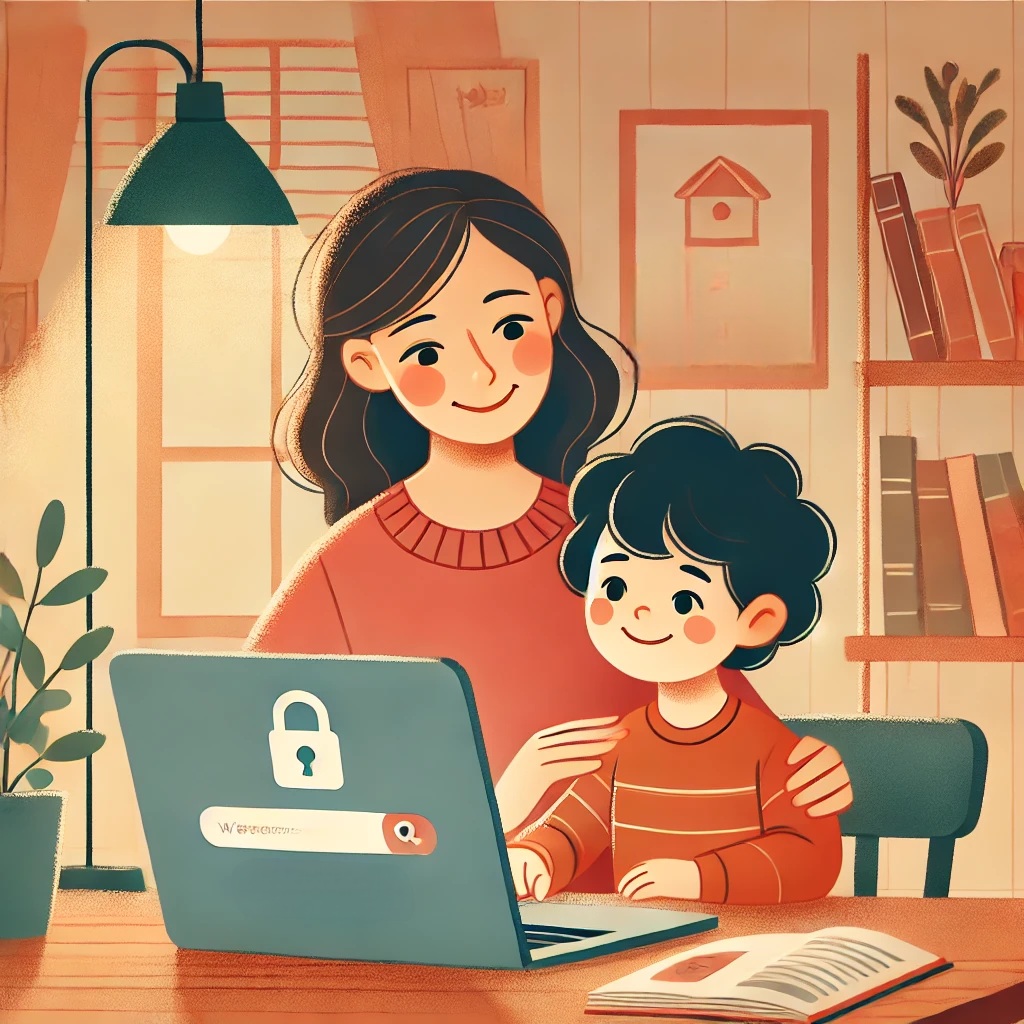
The internet is like a sprawling, glittering city—packed with many wonders, but not without its pitfalls. Among the gleaming skyscrapers of knowledge, there are dark alleyways of misinformation, waiting to trip up the unwary. For families with children who have Additional Learning Needs (ALN), this maze of information can feel even more bewildering. But here’s the thing: by teaching your child to navigate this digital jungle, you’re handing them a compass they can carry for life.
Let’s dive into how you can ensure your family explores the internet safely, armed with practical tools, and a splash of savvy awareness.
—
Why Website Authenticity Deserves Your Attention
The internet isn’t just a tool; it’s a lifeline. It connects us, teaches us, and entertains us—but it can also mislead us. Ever clicked on a site that looks polished but turns out to be as flimsy as a cardboard castle? Frustrating, right? Now imagine your child encountering that while working on their homework or looking up something important.
For children with ALN, this challenge is magnified. They might struggle with overly complex language or get overwhelmed by cluttered layouts. That’s why helping them recognise reliable websites isn’t just a nice-to-have—it’s a superpower. For when they learn to spot the good from the dodgy, they grow in confidence and independence. And isn’t that what we all want for our kids?
—
Tools and Tricks to Assess a Website’s Credibility
Here’s the fun bit: with a few simple checks, you can teach your child to spot a reliable website faster than you can say “clickbait.”
1. Start with the URL
A website’s address is its digital calling card. Secure sites start with “https://” —that little ‘s’ stands for secure. If the URL is peppered with odd spellings or unfamiliar endings (like “.biz” or “.xyz”), it’s worth being extra cautious. Although many of these sites are legitimate, the uncommon domain endings seem to be favoured by those less scrupulous.
2. Who’s Behind the Curtain?
Legitimate websites don’t hide in the shadows. They’ll proudly display an “About Us” section, offer contact details, and share their mission. If a site feels like it’s playing hide-and-seek with its identity, that’s a big red flag.
3. The Fact-Checker’s Toolkit
Trust but verify. Tools like Snopes or FactCheck.org are fantastic for debunking fake stories. And don’t underestimate the power of Google’s reverse image search—it’s like a magnifying glass for dodgy visuals. Even carrying out the basics of spell checking or grammar checking a website can help.
—
Making it Work for ALN Families
Here’s the heart of it: this isn’t just about facts and figures. It’s about creating a safe, empowering space where your child can explore the online world without fear. Start small—create a bookmark folder of trustworthy sites like BBC Bitesize or National Geographic Kids. Walk through the steps with them, and let them see you practising what you preach.
And don’t forget, it’s OK to make it fun! Turn it into a game: “Spot the Scam Site” or “Be a Digital Detective.” The more engaging the process, the more likely it is to stick.
—
The Big Picture
Teaching children with ALN to assess website authenticity is about more than avoiding the odd dodgy site. It’s about equipping them with critical thinking skills, building their confidence, and giving them the freedom to explore the digital world safely.
The internet might be a maze, but with the right tools, it can also be a treasure map—leading to learning, growth, and endless curiosity. So, let’s raise a generation of savvy surfers who know how to navigate the waves, no matter how choppy they get.
What are your go-to strategies for staying safe online? Share your tips in the comments below—I’d love to hear from you!
 Cwtch & Code