Minecraft isn’t just another video game—it’s a springboard for creativity, collaboration, and personal growth. It sparks pure magic. Whether you’re piecing together towering castles or coding intricate Redstone contraptions, this ever evolving sandbox world offers powerful opportunities for children with Additional Learning Needs (ALN) to explore, gain confidence, and—most importantly—have fun doing it all at their own pace.
—
Minecraft is for Everyone: Different Modes, Different Styles
One of Minecraft’s greatest gifts is its ability to adapt to each player’s preferred style, thanks to an array of modes that cater to different experiences. It’s all about personal choice. In Creative Mode, you can freely design floating mansions with no resource constraints. Whereas in Survival Mode, it challenges you to gather materials, ward off mobs, and savor the thrill of staying alive—an especially empowering journey for ALN kids who blossom with each small victory. On the Minecraft Marketplace, there are lots of maps available that take advantage of Adventure Mode, adding puzzle-like structures for story-driven maps. Spectator Mode allows curious minds to roam unseen through existing worlds, soaking in the sights without the pressure of active play.
From my own family’s perspective, Fletchy prefers to play in Creative Mode. Constructing different types of buildings, usually with piston driven secret rooms. Even when playing some of the adventure maps, he prefers to be in Creative Mode, adding his own flair to the existing map. His building has improved so much over the years, now including basic Redstone elements.
My eldest son, Cooper, prefers the struggle of Survival Mode. Spending hours grinding away & mining to gather up the resources he needs for a buld he’s got planned.
The versatility of Minecraft is what makes the game special.
—
ALN-Friendly Gaming: How Minecraft Helps Kids Thrive
For children with ALN, Minecraft can become a catalyst for learning, communication, and self-esteem improvement. It can change everything. By teaming up in multiplayer sessions or tackling mini-projects side by side, kids practice working together—whether that means building a cozy farming village or defending each other from sneaky skeletons. The open-ended nature of this blocky playground also encourages personal expression, as youngsters sculpt their wildest ideas into virtual reality. And if you’re concerned about safety? Parents and educators can craft private worlds or moderated servers/realms, ensuring a stress-free, inclusive experience that meets kids right where they are.
Minecraft has also helped Fletchy thrive in the classroom, enabling him to interact with the other kids (Non ALN) on a more even keel. Through his playing of the game, he has gained, and more importantly, maintained knowledge of the mechanics of the game environment. So much so, he is one of the class’s digital leaders specialising in Minecraft. Helping his school friends with the basics of logging in up to helping them with basic redstone skills.
—
The Cognitive and Educational Side of Minecraft
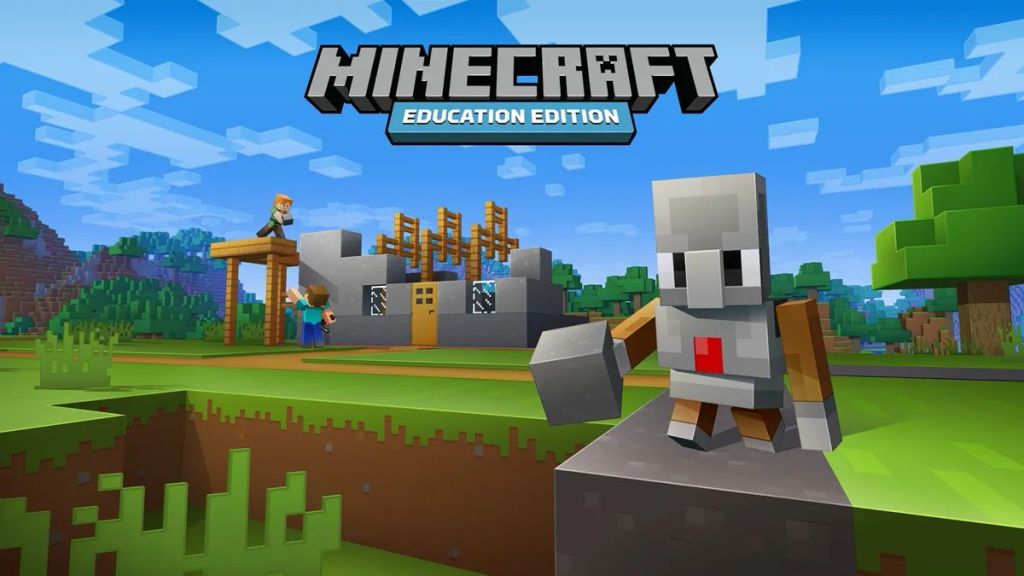
You might be surprised at just how rich in educational value Minecraft truly is. It’s mind-boggling. Working out resource management in Survival Mode or designing complex Redstone contraptions fosters crucial problem-solving and planning skills, while navigating expansive biomes boosts spatial awareness—skills that seamlessly transfer to tasks like organizing a backpack or tackling geometry homework. Plus, Minecraft Education Edition makes it official: students can experiment with chemistry, physics, and even coding languages like Python in a way that feels more like playtime than heavy-handed instruction.
I remember the first time my kids introduced me to Minecraft Education Edition. They’d always loved regular Minecraft at home but had started using Education Edition in school. But once they showed me, I discovered they could actually learn coding, solve STEM challenges, and even dabble in some digital chemistry. My eyes lit up like Redstone torches! It reminded me of those epic classroom experiments you see in sci-fi anime—only with way fewer explosions.
What really blew my mind was watching the endless possibilities appear in front of my children’s eyes. Improving their critical thinking and developing their sense of cause & effect.
In Wales, we’re pretty lucky because Minecraft Education Edition is free through the Welsh Government’s Hwb Portal. Yup, no hidden fees, and you get to introduce your kids (or students) to a whole new realm of exploration—all without opening your wallet. If you haven’t already poked around the Hwb portal, I highly recommend checking it out. It’s like unlocking a treasure chest full of educational gold.
I’ve heard so many awesome stories from both teachers & students using Minecraft Education Edition to spark discussions about everything from geometry to history. Picture your students building a medieval castle to explore feudal systems—or coding a robot to navigate mazes and collect items, fueling interest in computer science. Whether you’re in a traditional classroom or homeschooling, Minecraft helps those curious little minds thrive, no matter their learning style.
To learn more about how to integrate the game into your lessons, hop over to the official Minecraft Education website. You’ll find tons of free lesson plans, STEM challenges, and even how-tos for making the most of that beautiful blocky universe.
If your kids (or maybe you, let’s be honest) are itching to try out something that’s fun yet educational, Minecraft Education Edition is the ultimate digital playground. Have you tried it yet? Let me know your best classroom or home-school stories—I’m dying to hear how others are bringing Minecraft magic into their learning adventures!
—
A Game that Grows with You
One of Minecraft’s biggest strengths is its ability to evolve alongside the player, welcoming everyone from beginners to seasoned crafters. That’s a comforting truth. Children might start by building whimsical cottages in Creative Mode, then gradually move on to unraveling advanced Redstone puzzles or even exploring the basics of coding—an empowering progression for ALN learners who often flourish in environments where self-paced challenges lead to tangible accomplishments. Watching Fletchy and Cooper transform from novice builders into bold adventurers has shown me that each milestone reveals new interests and hidden talents, all while keeping the fun front and center.
—
Conclusion
Ultimately, Minecraft dismantles the wall between education and entertainment by giving kids of all backgrounds the chance to discover, create, and bond in a supportive, block-filled realm. It’s a game worth exploring. Whether you’re a parent hoping to encourage your child’s growth or an educator seeking innovative ways to spark curiosity, this dynamic universe has something for everyone. Why not embark on your own Minecraft adventure and see firsthand how these digital cubes can bring families together, boost confidence in ALN learners, and transform everyday play into an unforgettable learning experience?
I’ve lost count of the times I’ve watched my kids light up when they finish their ideal build or by outsmarting those pesky mobs. In moments like these, I’m reminded that Minecraft isn’t just about building cool structures—it’s about building confidence and sparking curiosity. Whether you’re experimenting with Redstone or bonding over a quick build session, the possibilities are limitless. I’d love to hear your Minecraft stories—share a memorable moment or a favourite creation in the comments, and let’s celebrate the power of pixelated inspiration together!
 Cwtch & Code